


 Portuguese



Especificações do ADATA Legend 970
| Capacidade | 1000 GB / 2000 GB |
| Interface | PCIe Gen5 x4 |
| Flash NAND | 3D NAND |
| Controlador | Phison PS5026 E26 |
| IOPS de Leitura Aleatória 4KB (Máx.) | Até 1.400K* |
| IOPS de Gravação Aleatória 4KB (Máx.) | Até 1.400K* |
| Leitura Sequencial (Máx.) | Até 10.000 MB/s* |
| Gravação Sequencial (Máx.) | Até 10.000 MB/s* |
| Fator de forma | M.2 2280 |
| Dimensões (C x L x A) | 80,6 x 24,2 x 17,9 mm / 3,17 x 0,95 x 0,7 polegadas |
| Peso | 57,1 g / 2,01 oz |
| Resistência a choques | 1.500 G / 0,5 ms |
| Terabytes Gravados (TBW) | 1.400** |
| Temperatura de operação | 0°C – 70°C |
| Temperatura de armazenamento | -40°C – 85°C |
| MTBF | 1.600.000 horas |
| Garantia | Garantia limitada de 5 anos*** |
Desempenho do ADATA Legend 970
Para esta análise, estamos testando o SSD Legend 970 de 2 TB. Os comparáveis são uma mistura de SSDs Gen4 populares e a primeira onda de SSDs Gen5. Aliás, todos os Gen5 são da mesma plataforma Phison E26 do Legend 970.
- Samsung 990 Pro
- Seagate FireCuda 530
- Seagate FireCuda 540
- WD SN850X
- Gigabyte Aorus 10000
- Solidigm P44 Pro
Para testes, usamos duas plataformas. A plataforma de teste do consumidor que suporta SSDs PCIe Gen4/Gen5 e é usada às vezes para testes mais leves baseados no consumidor, como BlackMagic DiskSpeed Test e CrystalDiskMark, e nossa plataforma principal, um Dell PowerEdge R760, que se sobrepõe aos nossos testes corporativos. Para flexibilidade máxima, trabalhamos com a Serial Cables, que nos forneceu um JBOF PCIe Gen5 de 8 baias para testes de drives U.2/U.3, M.2 e E1.S/E3.S. Isso nos permite testar todos os tipos de drives atuais e emergentes no mesmo hardware de teste.
Configuração do Dell PowerEdge R760
- Dual Intel Xeon Gold 6430 (32 núcleos/64 threads, 1,9 GHz base)
- 1 TB de RAM DDR5
- Ubuntu 22.04
Análise de Carga de Trabalho VDBench
Ao benchmarkar dispositivos de armazenamento, o teste de aplicação é o melhor, e o teste sintético é o segundo. Embora não seja uma representação perfeita das cargas de trabalho reais, os testes sintéticos ajudam a estabelecer uma linha de base para dispositivos de armazenamento com um fator de repetibilidade que facilita a comparação de soluções concorrentes. Essas cargas de trabalho oferecem uma variedade de perfis de teste, desde testes de "quatro cantos" e testes comuns de tamanho de transferência de banco de dados até capturas de rastreamento de diferentes ambientes VDI.
Esses testes utilizam o gerador de carga de trabalho vdBench comum, com um mecanismo de script para automatizar e capturar resultados em um grande cluster de teste de computação. Isso nos permite repetir as mesmas cargas de trabalho em vários dispositivos de armazenamento, incluindo arrays de flash e dispositivos de armazenamento individuais. Nosso processo de teste para esses benchmarks preenche toda a superfície do drive com dados, em seguida, particiona uma seção do drive igual a um por cento da capacidade do drive para simular como o drive pode responder a cargas de trabalho de aplicativos. Isso difere dos testes de entropia total, que usam 100% do drive e os levam a um estado estável. Como resultado, esses números refletirão velocidades de gravação sustentadas mais altas.
Perfis:
- Leitura Aleatória 4K: 100% Leitura, 128 threads, 0-120% iorate
- Gravação Aleatória 4K: 100% Gravação, 64 threads, 0-120% iorate
- Leitura Sequencial 64K: 100% Leitura, 16 threads, 0-120% iorate
- Gravação Sequencial 64K: 100% Gravação, 8 threads, 0-120% iorate
- Perfis VDI
Começando com a leitura aleatória 4K, o ADATA Legend 970 empatou em segundo lugar, registrando um pico de 989K IOPS com 128,6 µs de latência. A linha do gráfico do ADATA Legend 970 está traçada diretamente abaixo do Seagate Firecuda 540. O Solidigm P44 Pro, que venceu no geral, é um drive de 4ª Geração.
O SSD Gen5 teve um desempenho ligeiramente pior quando se trata de gravações. Neste teste, o drive mal alcançou o terceiro lugar com uma velocidade de 278k IOPS e uma latência de 71,8 µs. O Legend 970 perdeu novamente para os drives Gen4.
O ADATA Legend 970 teve um desempenho fantástico quando mudou para a carga de trabalho sequencial de leitura 64k. Ele ficou em primeiro lugar, com uma velocidade de 7,08 GB/s e uma latência de 281,4 µs. Isso o colocou ligeiramente à frente do Seagate Firecuda 540, outro drive de 5ª Geração.
Infelizmente, o Legend 970 caiu para o final do grupo em gravações sequenciais. O drive atingiu um pico de 1,40 GB/s com uma latência de 707,6 µs.
Em seguida, analisamos nossos benchmarks VDI, projetados para exigir mais dos drives. Esses testes incluem Boot, Initial Login e Monday Login. O ADATA Legend 970 se saiu bem aqui, atingindo um pouco acima de 200k IOPS e 168,1 µs, para um empate em segundo lugar com o Seagate Firecuda 540 mais uma vez. No entanto, ambos os drives Gen5 foram superados pelo Solidigm P44 Pro Gen4.
Para VDI Initial Login, o ADATA Legend 970 se saiu muito bem, terminando o teste com 66,7k IOPS e 447,8 µs. O SSD foi mais lento que alguns dos drives Gen4 se medirmos a partir dos pontos de pico de desempenho. No entanto, foi mais estável que os drives Gen4.
Por último, temos o benchmark VDI Monday Login. Este resultado é interessante porque o Legend 970 foi muito mais estável que os drives Gen4, ao mesmo tempo em que ficou em primeiro lugar. Além de sofrer um leve impacto no desempenho no final, o drive terminou com 47,9K IOPS e 332,1 µs.
Teste de Velocidade de Disco Blackmagic
Medimos o desempenho em um ambiente Windows 11 em nossa plataforma de teste do consumidor através do popular teste Blackmagic. Aqui, o ADATA Legend 970 registrou 9,63 GB/s de gravação e 6,75 GB/s de leitura. Estes são números quase idênticos aos de seus dois concorrentes.
| Teste de Velocidade de Disco | ADATA Legend 970 | GIGABYTE Aorus 10000 | Seagate Firecuda 540 |
|---|---|---|---|
| Gravação | 9634,7 MB/s | 9661,0 MB/s | 9575,6 MB/s |
| Leitura | 6755,6 MB/s | 6737,5 MB/s | 6746,5 MB/s |
Teste de Velocidade CrystalDiskMark
Realizamos um teste mais leve no ADATA Legend 970 para demonstrar suas velocidades Gen5. Usando o CrystalDiskMark, observamos velocidades de transferência sequenciais excedendo 10 GB/s para leitura e gravação. O drive atingiu 10,08 GB/s para leituras e 10,16 GB/s para gravações. A maior profundidade de fila do CrystalDiskMark (em comparação com o BlackMagic) nos permite mostrar o melhor cenário para o drive. As velocidades foram muito semelhantes entre os três drives, mas o Legend 970 ficou em último neste teste.
| Teste de Velocidade de Disco | ADATA Legend 970 | GIGABYTE Aorus 10000 | Seagate Firecuda 540 |
|---|---|---|---|
| Gravação | 10,08 MB/s | 10,08 MB/s | 10,09 MB/s |
| Leitura | 10,16 MB/s | 10,18 MB/s | 10,17 MB/s |
BootBench
BOOT-BENCH-1 é um perfil de carga de trabalho adotado pelo OCP para perfilar SSDs projetados para inicialização de servidor. Embora esta seja intuitivamente uma tarefa para SSDs corporativos, os SSDs de cliente são frequentemente selecionados por sua combinação de desempenho, capacidade e custo. A questão do drive de inicialização é pertinente não apenas para hyperscalers, mas também para provedores de sistemas de servidor e armazenamento, pois eles enfrentam desafios semelhantes.
Esta carga de trabalho de inicialização executa um plano de teste relativamente intenso que preenche todo o drive com gravações antes de testar uma sequência de carga de trabalho com foco em leitura. Para cada teste, ele executa uma operação de leitura aleatória 32K assíncrona juntamente com uma gravação aleatória 128k síncrona de 15MiB/s e uma carga de trabalho de fundo de gravação/trim aleatória 128k síncrona de 5MiB/s. O script começa com a atividade de leitura aleatória em um nível de 4 trabalhos e escala até 256 trabalhos em seu pico. O resultado final são as operações de leitura realizadas durante sua execução de pico.
O objetivo do OCP para este benchmark é um passe/falha em 60K IOPS de leitura. A maioria dos drives que testamos excederá em muito o mínimo, mas os resultados são instrutivos de qualquer maneira.
Com tudo isso dito, alguns testes terminam com DNFs, alguns produzem resultados abaixo do número de corte e outros são simplesmente rápidos. O ADATA Legend 970 teve um desempenho fraco, mal passando com 65.632 IOPS. Isso sugere que o ADATA Legend 970 é provavelmente inadequado para inicialização de servidor OCP. No entanto, este é o primeiro drive Gen5 E26 a passar no teste BootBench, o que supomos ser uma melhoria.
| SSD | IOPS de Leitura |
|---|---|
| Sk hynix Platinum P41 | 220.884 IOPS |
| WD SN850X | 219.883 IOPS |
| Solidigm P44 Pro | 211.999 IOPS |
| Fantom VENOM8 | 190.573 IOPS |
| Samsung 990 Pro | 176.677 IOPS |
| Sabrent Rocket 4 Plus | 162.230 IOPS |
| Predator Storage GM7 | 35.302 IOPS |
| ADATA Legend 970 | 65.632 IOPS |
Considerações Finais
Sandy Yang/Diretor de Estratégia Global
WhatsApp / WeChat: +86 13426366826
E-mail: yangyd@qianxingdata.com
Website: www.qianxingdata.com/www.storagesserver.com
Foco de Negócios:
Distribuição de Produtos TIC/Integração de Sistemas e Serviços/Soluções de Infraestrutura
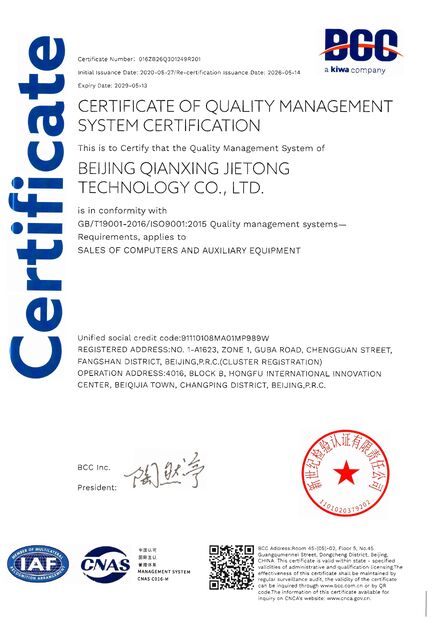
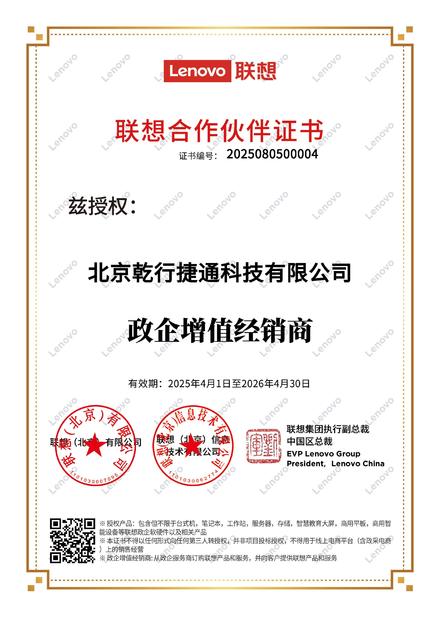
Com mais de 20 anos de experiência em distribuição de TI, fazemos parceria com as principais marcas globais para fornecer produtos confiáveis e serviços profissionais.
"Usando a Tecnologia para Construir um Mundo Inteligente" Seu Provedor de Serviços de Produtos TIC Confiável!