


 Portuguese



Especificações GIGABYTE Aorus 12000
| Interface: | PCI-Express 5.0×4, NVMe 2.0 |
| Fator de Forma: | M.2 2280 |
| Capacidade: | 1TB, 2TB |
| NAND: | Flash NAND TLC 3D |
| Cache DDR Externo: | LPDDR4 2GB |
| Velocidade de Leitura Sequencial: | Até 11.700 MB/s |
| Velocidade de Gravação Sequencial: | Até 9.500 MB/s |
| Dimensões: | SSD sem Dissipador: 80 x 22 x 3,5 mm SSD com Dissipador: 92 x 23,5 x 44,7 mm |
| Tempo médio entre falhas (MTBF): | 1,6 milhão de horas |
| Potência Máxima de Operação: | 11W |
| Consumo de Energia (Ocioso, PS3): | <144mW |
| Consumo de Energia (PS4, L1.2): | <85mW |
| Temperatura (Operação): | 0°C a 70°C |
| Temperatura (Armazenamento): | -40°C a 85°C |
| Garantia: | Limitada a 5 anos ou 700TBW. Garantia limitada baseada em 5 anos ou 700TBW, o que ocorrer primeiro. |
Desempenho GIGABYTE Aorus 12000
Para esta análise, examinaremos o modelo de 1 TB. Os comparativos são uma mistura de SSDs Gen4 populares e a primeira onda de SSDs Gen5. Os outros SSDs Gen5 testados são equipados com a plataforma Phison E26:
- Sabrent Rocket 4 Plus
- ADATA Legend 970
- Seagate FireCuda 540
- Gigabyte Aorus 10000
- Fantom VENOM8
Para testes, usamos duas plataformas. A plataforma de teste do consumidor suporta SSDs PCIe Gen4/Gen5 e é usada às vezes para testes mais leves voltados para o consumidor, como BlackMagic DiskSpeed Test e CrystalDiskMark, e nossa plataforma principal, um Dell PowerEdge R760, que se sobrepõe aos nossos testes corporativos. Para máxima flexibilidade, trabalhamos com a Serial Cables, que nos forneceu um JBOF PCIe Gen5 de 8 baias para testes de unidades U.2/U.3, M.2 e E1.S/E3.S. Isso nos permite testar todos os tipos de unidades atuais e emergentes no mesmo hardware de teste.
Configuração Dell PowerEdge R760
- Dual Intel Xeon Gold 6430 (32 núcleos/64 threads, 1,9 GHz base)
- 1TB de RAM DDR5
- Ubuntu 22.04
Análise de Carga de Trabalho VDBench
Ao testar dispositivos de armazenamento, o teste de aplicação é o melhor, e o teste sintético é o segundo. Embora não seja uma representação perfeita das cargas de trabalho reais, os testes sintéticos ajudam a estabelecer uma linha de base para dispositivos de armazenamento com um fator de repetibilidade que facilita a comparação de soluções concorrentes. Essas cargas de trabalho oferecem uma variedade de perfis de teste, desde testes de "quatro cantos" e testes comuns de tamanho de transferência de banco de dados até capturas de rastreamento de diferentes ambientes VDI.
Esses testes utilizam o gerador de carga de trabalho comum vdBench, com um mecanismo de script para automatizar e capturar resultados em um grande cluster de teste de computação. Isso nos permite repetir as mesmas cargas de trabalho em vários dispositivos de armazenamento, incluindo arrays de flash e dispositivos de armazenamento individuais. Nosso processo de teste para esses benchmarks preenche toda a superfície da unidade com dados, em seguida, particiona uma seção da unidade igual a um por cento da capacidade da unidade para simular como a unidade pode responder a cargas de trabalho de aplicativos. Isso difere dos testes de entropia total, que usam 100% da unidade e as levam a um estado estável. Como resultado, esses números refletirão velocidades de gravação sustentadas mais altas.
Perfis:
- Leitura Aleatória 4K: 100% Leitura, 128 threads, 0-120% iorate
- Gravação Aleatória 4K: 100% Gravação, 64 threads, 0-120% iorate
- Leitura Sequencial 64K: 100% Leitura, 16 threads, 0-120% iorate
- Gravação Sequencial 64K: 100% Gravação, 8 threads, 0-120% iorate
- Perfis VDI
Começando com a leitura aleatória 4K, a unidade GIGABYTE Aorus 12000 Gen5 ficou muito atrás dos líderes e perto de seu predecessor em desempenho, atingindo 770K IOPS a 165,5 ms. O SSD Gen4 Solidigm P44 Pro foi a unidade com melhor desempenho aqui.
O SSD Aorus 12000 Gen5 teve o mesmo desempenho em gravações, ficando em penúltimo lugar, superando apenas a unidade Solidigm. Aqui, atingiu um pico de velocidade de 264k IOPS e uma latência de 198,8 µs, o que foi mais lento que seu antecessor Aorus.
Ao mudar para a carga de trabalho sequencial de leitura 64k, o Aorus 12000 teve um desempenho moderadamente melhor, ficando em 3º lugar geral. Terminou o teste com uma velocidade de 5,77 GB/s e uma latência de 346,1 µs.Infelizmente, o Aorus 12000 caiu para o último lugar em gravações sequenciais. A unidade atingiu pouco mais de 1 GB/s com uma latência superior a 1.000 µs no final do teste. Seu predecessor teve um desempenho muito melhor com 1,4 GB/s.Em seguida, analisamos nossos benchmarks VDI, projetados para exigir mais das unidades. Esses testes incluem Boot, Initial Login e Monday Login. Começando com o boot, o Aorus 12000 teve resultados bastante fracos, atingindo um pico de cerca de 140K IOPS a 236,1 ms.
Em seguida, vem o VDI Initial Login. Embora o Aorus 12000 não tenha sido tão ruim quanto o Solidigm P44 Pro, ele ainda teve resultados notavelmente mais fracos do que seu predecessor, registrando apenas 50K IOPS com 603,3 ms de latência.
Por último, temos o benchmark VDI Monday Login, que na verdade mostrou alguns resultados muito sólidos. Ficando em terceiro lugar, o Aorus 12000 atingiu um pico de 41K IOPS com uma latência de 388,7 ms.
BootBench
BOOT-BENCH-1 é um perfil de carga de trabalho adotado pelo OCP para testar SSDs projetados para inicialização de servidor. Embora esta seja intuitivamente uma tarefa para SSDs corporativos, os SSDs de cliente são frequentemente selecionados por sua combinação de desempenho, capacidade e custo. A questão da unidade de boot é relevante não apenas para hyperscalers, mas também para provedores de sistemas de servidor e armazenamento, pois eles enfrentam desafios semelhantes.
Esta carga de trabalho de boot executa um plano de teste relativamente intenso que preenche toda a unidade com gravações antes de testar uma sequência de carga de trabalho com foco em leitura. Para cada teste, ele executa uma operação de leitura aleatória 32K assíncrona juntamente com uma gravação aleatória 128k síncrona de 15MiB/s e uma carga de trabalho de fundo de gravação/trim aleatória 128k síncrona de 5MiB/s. O script começa com a atividade de leitura aleatória em um nível de 4 trabalhos e escala até 256 trabalhos em seu pico. O resultado final são as operações de leitura realizadas durante sua execução de pico.
O objetivo do OCP para este benchmark é um passe/falha em 60K read IOPS. A maioria das unidades que testamos excederá em muito o mínimo, mas os resultados são instrutivos de qualquer maneira.
Infelizmente, assim como seu predecessor, o Arorus 12000 é outro SSD a receber um "DNF" devido à sua baixa latência e IOPS que não atingiram o corte. Até o momento, muitos dos SSDs Gen5 de consumidor com Phison E26 falharam neste teste, com alguns passando por pouco.
Aqui está o ranking atual de boot:
SSD
IOPS de Leitura
| Sk hynix Platinum P41 | 220.884 IOPS |
| WD SN850X | 219.883 IOPS |
| Solidigm P44 Pro | 211.999 IOPS |
| Fantom VENOM8 | 190.573 IOPS |
| Samsung 990 Pro | 176.677 IOPS |
| Sabrent Rocket 4 Plus | 162.230 IOPS |
| ADATA Legend 970 | 65.632 IOPS |
| Gravação | 35.302 IOPS |
| Aorus 12000 | DNF |
| Teste de Velocidade CrystalDiskMark | Realizamos um teste mais leve no GIGABYTE Aorus 12000 para demonstrar suas velocidades Gen5. Usando o CrystalDiskMark, a unidade registrou velocidades de transferência sequencial excedendo 10 GB/s tanto para leitura quanto para gravação, mostrando 11,7 GB/s para leituras e 9,5 GB/s para gravações. Curiosamente, os resultados do CrystalDiskMark se alinharam precisamente com o que foi descrito na folha de especificações; uma rara coincidência que, embora não seja particularmente significativa, é algo que raramente vemos. |
A maior profundidade de fila do CrystalDiskMark (em comparação com o BlackMagic) nos permite mostrar o melhor cenário para a unidade. Esses resultados de teste entre unidades comparáveis foram tão próximos que quaisquer diferenças de desempenho no mundo real seriam provavelmente insignificantes.
Teste de Velocidade CDMGIGABYTE Aorus 12000ADATA Legend 970
GIGABYTE Aorus 10000
| Seagate Firecuda 540 | Gravação | Gravação | Seagate Firecuda 540 | 9.661,0 MB/s |
| 9.575,6 MB/s | Leitura | 10,16 GB/s | 10,16 GB/s | 10,18 GB/s |
| 6.746,5 MB/s | Teste de Velocidade de Disco Blackmagic | Medimos o desempenho em um ambiente Windows 11 em nossa plataforma de teste do consumidor através do popular teste Blackmagic. Aqui, o Aorus 12000 foi capaz de atingir 7,5 GB/s de leitura (acima da média) e 9,1 GB/s de gravação (abaixo da média). | Teste de Velocidade de Disco | GIGABYTE Aorus 10000 |
ADATA Legend 970
GIGABYTE
| Aorus 10000 | Seagate Firecuda 540 | Gravação | 9.113,3 MB/s 9.634,7 MB/s |
9.661,0 MB/s |
| 9.575,6 MB/s | Leitura | 7.491,3 MB/s | 6.755,6 MB/s | 6.737,5 MB/s |
| 6.746,5 MB/s | Conclusão | O SSD AORUS 12000 Gen5 é uma iteração de seu predecessor, o AORUS 10000, com o novo NAND de 232 camadas da Micron se destacando como sua atualização mais significativa. Ele também ostenta uma classificação de Tempo Médio Entre Falhas (MTBF) de 1,6 milhão de horas e adota o fator de forma padrão M.2 2280. Em última análise, embora esta unidade tenha um preço competitivo, seu desempenho não atende às expectativas definidas por sua interface PCIe Gen5. Para usuários que procuram um SSD Gen5 econômico, o AORUS 12000 Gen5 pode ser uma opção atraente, mas aqueles que priorizam o desempenho provavelmente encontrarão um melhor valor em outros modelos. | Quando se trata de métricas de desempenho reais, o AORUS 12000 ficou atrás na maioria de nossos testes de benchmark, incluindo avaliações de leitura/gravação aleatória 4K e benchmarks VDI. Os resultados nessas categorias não foram apenas inferiores aos de unidades concorrentes, mas também frequentemente ficaram atrás de seu próprio predecessor. Esse resultado não é totalmente surpreendente, embora: essa falta de vantagem competitiva seja consistente em outros SSDs Gen5 equipados com o mesmo controlador — eles ainda lutam para superar os SSDs Gen4 de ponta. | É importante notar que testamos o modelo de 1 TB do AORUS 12000 para esta análise. Em contraste, analisamos a variante de 2 TB do AORUS 10000, e todas as outras unidades incluídas em nossas comparações também eram modelos de 2 TB. Essa diferença na capacidade de armazenamento pode ter impactado as métricas de desempenho, pois os SSDs geralmente exibem características de desempenho variadas com base em sua capacidade — devido a diferenças na configuração NAND e outros fatores relacionados. Como tal, podemos ter observado resultados ligeiramente diferentes se a GIGABYTE tivesse fornecido a versão de 2 TB para análise. |
No entanto, embora o AORUS 12000 possa ter algum apelo com seu dissipador de calor opcional e qualidade de construção robusta, ele representa em grande parte uma atualização decepcionante em relação ao AORUS 10000, em vez de um avanço significativo. Em seu preço atual, ele realmente custa menos que o FireCuda 540 (preço de US$ 180), que usa tecnologia NAND mais antiga, mas a economia de custo não é substancial o suficiente para compensar suas deficiências de desempenho relativas. Isso torna difícil recomendá-lo em detrimento de alternativas mais poderosas — ou mesmo de seu próprio predecessor, o AORUS 10000 — tanto para consumidores em geral quanto para entusiastas de desempenho.
Foco de Negócios:
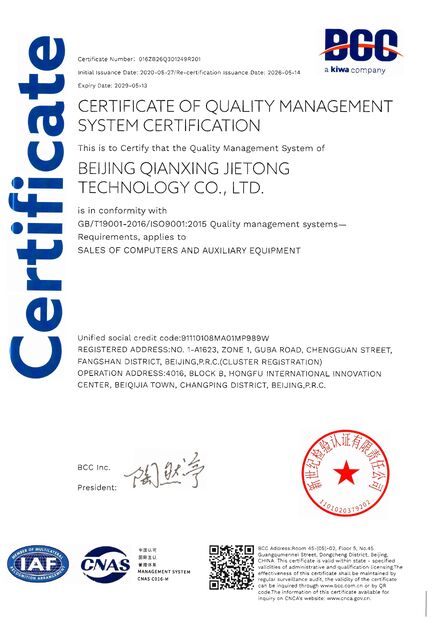
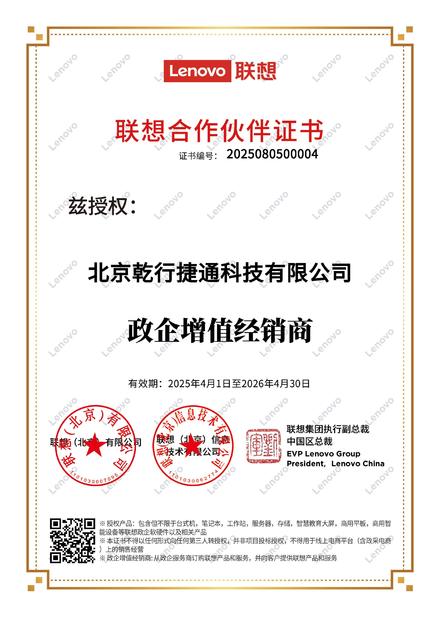
Distribuição de Produtos de TI/Integração de Sistemas e Serviços/Soluções de Infraestrutura
Com mais de 20 anos de experiência em distribuição de TI, fazemos parceria com as principais marcas globais para fornecer produtos confiáveis e serviços profissionais.
"Usando a Tecnologia para Construir um Mundo Inteligente"Seu Provedor Confiável de Serviços de Produtos de TI!